

Conquistador at El Conquistador Golf & Tennis
The 18-hole Conquistador at El Conquistador Golf & Tennis in Tucson, Arizona is a resort golf course that opened in 1982. Designed by Greg Nash and Jeff Hardin, Conquistador at El Conquistador Golf & Tennis measures 6720 yards from the longest tees and has a slope rating of 129 and a 72.
...more»

The Golf Club at Dove Mountain - Saguaro/Tortolita
The Saguaro nine is named so for its spectacular view of the vast cactus forest to the west. The third hole on the Tortolita nine marks the highest elevation of any of the courses, allowing for panoramic views of the surrounding mountains. Nearly half of the nine plays through a desert canyon.
...more»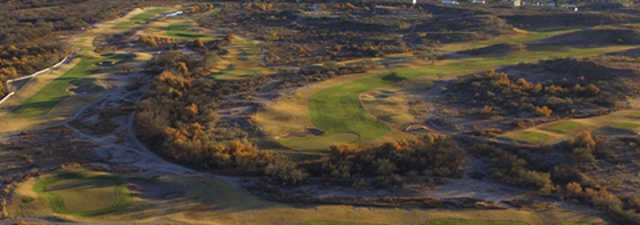

San Pedro Golf Course
Located just 30 miles southeast of Tucson, San Pedro Golf Course sits along the river of the same name. The scenic layout has a front nine that winds through mesquite groves and a back nine that plays across natural canyons. You'll find very few manmade features on the course, instead the design takes advantage of the terrain's many natural elevation changes.
...more»

The Golf Club at Dove Mountain - Wild Burro/Saguaro
When Jack Nicklaus designed the 27 holes at The Golf Club at Dove Mountain, he made sure to utilize the plentiful saguaros and the rolling hills. The Wild Burro/Saguaro combination winds along the base of the Tortolita Mountain Range with a backdrop of a vast cacti forest to the west.
...more»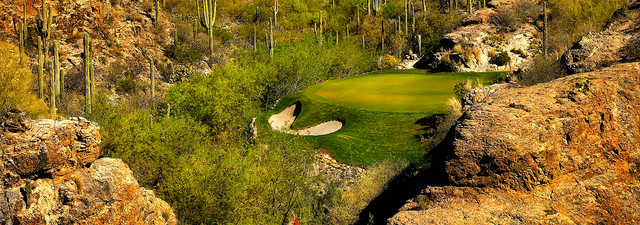

Mountain at The Lodge at Ventana Canyon
The Mountain Course at The Lodge at Ventana Canyon, one of two Tom Fazio designs at this Tucson resort, is a classic desert-style target golf course has quick, undulating greens, elevated tee shots and a number of memorable holes.
...more»

Haven at Haven Public Golf Club
The 18-hole Haven at Haven Public Golf Club in Green Valley, Arizona is a public golf course that opened in 1965. Designed by Jack Snyder, Haven at Haven Public Golf Club measures 6905 yards from the longest tees and has a slope rating of 124 and a 71.
...more»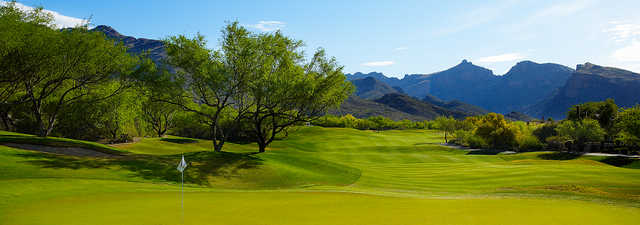

Canyon at The Lodge at Ventana Canyon
One of two Tom Fazio-designed golf courses at this Tucson resort, the Canyon Course at The Lodge at Ventana Canyon is classic desert golf, set against the backdrop of the Sonoran Desert enhanced by its surroundings of saguaros, deer, roadrunners, quail and birds.
...more»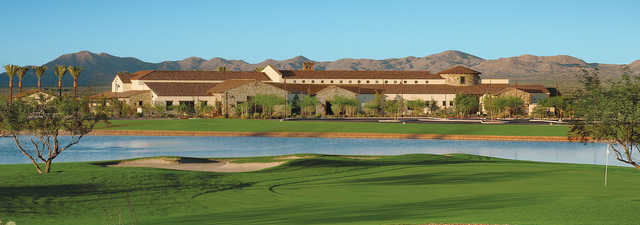



San Ignacio Golf Club
The 18-hole San Ignacio Golf Club in Green Valley, Arizona is a semi-private golf course that opened in 1989. Designed by Arthur Hills, San Ignacio Golf Club measures 6708 yards from the longest tees and has a slope rating of 134 and a 64.
...more»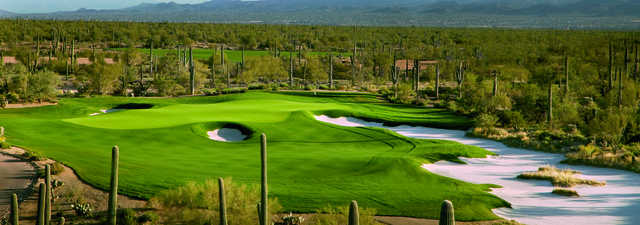

The Golf Club at Dove Mountain - Tortolita/Wild Burro
Jack Nicklaus designed the three nines, which are played in three different 18-hole combinations. The Tortolita/Wild Burro golf course offers incredible mountain views. The Wild Burro nine is Jack Nicklaus' favorite of the three. The Tortolita nine serves as the back nine for the Accenture Match Play Championship, with the club's third nine, Saguaro, acting as the front nine.
...more»Destination: Tucson
The city was founded in 1776, but goes way back to the Hohokam Indians who lived there 4,000 years ago. Its rich cultural heritage is reflected in Tucson's architecture, festivals, dining and people. Visitors will find plenty of museums, theaters and art galleries, and one of the must-sees for the whole family is the Arizona-Sonora Desert Museum. It's a zoo, natural history museum and botanical garden all wrapped up in one. Other attractions include Colossal Cave Mountain Park and Old Tucson Studios, where more than 300 movies and television productions were shot on locations since 1939.
As you might expect, the Tucson area has no shortage of great resorts, hotels and bed-and-breakfasts. Many of the resorts have golf attached to them, such as the Omni National Tucson National Resort, Westin La Paloma Resort & Spa, Tubac Golf Resort & Spa (where parts of the golf movie "Tin Cup" were filmed) and the Ritz-Carlton, Dove Mountain, which plays host to the WGC-Accenture Match Play each year. You'll also find great accommodations sans golf, like the Desert Diamond Casino Hotel and Casino del Sol Resort or historic charmers like the Hotel Congress or the Lodge on the Desert.
Dining in southern Arizona is also a delight, whether it's fabulous Mexican or Southwestern cuisine from mainstays like The Grill at Hacienda Del Sol or El Charro Cafe, or the comfort food and fine wines of 47 Scott downtown. And nightlife and entertainment is plentiful, too, at venues such as The Grill, La Fuentes and the Cascade Lounge.
Of course, travel golfers will want to work most of this around the dozens of golf courses available. For starters, Tucson has one of the best municipal golf systems in the country, highlighted by Dell Urich Golf Course, a former LPGA Tour site and a bargain, even for out-of-towners. And there's the aforementioned Tucson National, Tubac Golf Resort and Ritz-Carlton, but you can also add Arizona National, Crooked Tree, Saddlebrooke Canyon, The Preserve and Ventana Canyon to your list, just to name a few.
See also
Special Deals
Area Map
Latest reader ratings from this area
-
 by Joe M ( more )
 -
by John Beurskens ( more )
-
by Bobby T. Jones, Jr. ( more )
-
by Joe Carpenter ( more )
-
by Brian C ( more )
-
by Jim Multerer ( more )
-
by Ugo Pennacchietti ( more )
-
by Shawn ( more )
-
by Louis J. Fuentes ( more )
-
by JIM ( more )